Spring Pet Allergies: How to Help Your Dog or Cat in Redford

Spring Pet Allergies: How to Help Your Dog or Cat in Redford
As the cold grip of winter fades and spring unfolds in Redford Township, many of us look forward to enjoying more time outdoors with our pets. Yet, for countless dogs and cats in our community, the arrival of spring also brings the onset of frustrating allergies. If you have noticed your pet scratching more than usual, sneezing, or developing red, irritated skin as the seasons change, you are certainly not alone. At Five Mile Animal Hospital, located at 25920 Five Mile Road, Redford Township, MI 48239, we understand how distressing it can be to see your furry friend uncomfortable. In this blog, we will explore how to recognize signs of spring allergies in pets, uncover the common causes, discuss both professional and home care solutions, and guide you on when to seek veterinary help. Our compassionate veterinary team is here to help you navigate allergy season and keep your pet comfortable all year long. If you suspect your pet may be suffering from allergies, we encourage you to schedule an appointment for a comprehensive wellness examination or allergy consult with our expert veterinarians.
Recognizing Spring Allergy Symptoms in Dogs and Cats
Understanding how allergies present in pets is the first step toward helping your dog or cat find relief. While some symptoms may be obvious, others can be more subtle or mistaken for other common springtime issues. Key warning signs of allergies in dogs and cats include persistent scratching or licking, red or inflamed skin, frequent sneezing, watery eyes, or a runny nose. Some pets develop hot spots, which are tender, moist areas of skin that arise from excessive scratching or chewing. In cats, allergies can also cause hair loss or over-grooming, especially along the belly and legs. You may notice your pet shaking their head or scratching at their ears more often; this can be a sign of allergy-induced ear inflammation. Additionally, coughing or wheezing can occur in rare cases, particularly in animals with underlying respiratory sensitivities.
It is important to remember that not every itchy pet is suffering from allergies. Other skin conditions, such as flea infestations or infections, can mimic allergy symptoms. If your pet's discomfort continues for more than a few days, worsens, or is accompanied by other concerning changes like lethargy or loss of appetite, a veterinary evaluation is essential. Early intervention helps prevent minor symptoms from developing into more serious skin or health problems.
Why Do Pets Get Spring Allergies?
Spring allergies in pets, much like in people, are driven by environmental changes that occur as plants awaken and bloom. The most common cause is pollen from trees, grasses, and flowers, which becomes airborne and settles on your pet's fur, paws, and skin during outdoor activities. As your dog or cat explores the yard or takes daily walks, they can pick up pollen and other allergens that trigger their immune system to overreact.
In Redford Township and the surrounding areas, the peak of pollen season typically runs from late March through June, although some sensitive pets may experience symptoms even earlier. In addition to pollen, other springtime allergens include mold spores, which thrive in damp, thawing ground and piles of leaves, as well as dust mites that become more active as indoor heating is reduced. Some pets are also sensitive to newly applied lawn treatments, fertilizers, or garden chemicals, which can cause contact allergies.
Genetics and breed can play a role in allergy susceptibility. For example, certain breeds such as retrievers, terriers, and Siamese cats are more likely to develop environmental allergies. Age is another factor; allergies often begin to appear in pets between one and three years old but can affect animals of any age.
Professional Allergy Diagnosis and Treatment at Five Mile Animal Hospital
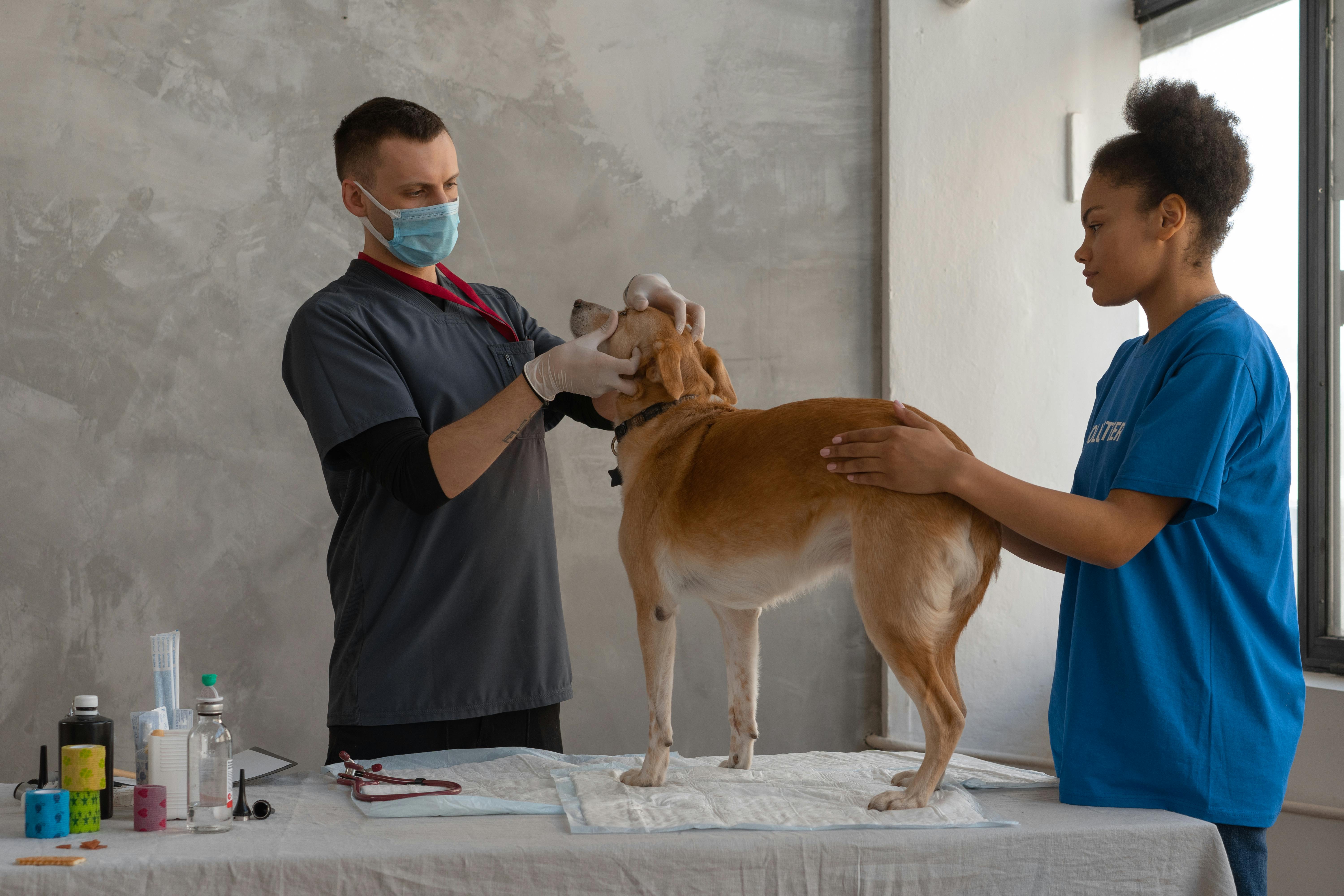
If your pet is struggling with spring allergies, our team at Five Mile Animal Hospital is here to help. The first step is a thorough wellness examination, where our veterinarians will assess your pet’s skin, ears, and overall health, review their medical history, and discuss the symptoms you have observed. Depending on your pet’s presentation, we may recommend further diagnostic testing. Our pet diagnostic laboratory allows us to perform in-house tests, which can help rule out other causes such as infections or parasites and support an accurate allergy diagnosis.
Once allergies are confirmed, treatment approaches involve several tailored options. For many pets, medicated shampoos or topical sprays can soothe itchy skin and remove pollen particles after outdoor exposure. In more moderate to severe cases, veterinarians may prescribe oral medications such as antihistamines, anti-itch medications, or, for particularly stubborn cases, short-term steroids to control inflammation. Allergy shots or immunotherapy may be considered for pets with chronic or severe allergies that do not respond to standard treatments.
Managing secondary complications is also a key part of allergy care. Allergic pets are prone to skin infections and ear infections, which may require antibiotics or antifungal medications. Our veterinary team will monitor your pet’s progress and adjust treatment as needed, ensuring your dog or cat receives compassionate, ongoing care throughout allergy season and beyond.
Home Care and Preventing Allergy Flare-Ups
While professional veterinary care is crucial for diagnosing and managing allergies, there are several steps pet owners can take at home to help minimize symptoms and prevent flare-ups. Wiping your pet’s paws and coat with a damp cloth or pet-safe wipe after outdoor walks can remove pollen before it is tracked into your home. Regular bathing with a gentle, hypoallergenic shampoo helps decrease allergen build-up on the skin and coat. Vacuuming your home frequently, washing bedding in hot water, and using air purifiers can further reduce indoor pollen and dust.
Creating a safe outdoor environment is equally important. Try to avoid walking your dog in grassy or heavily wooded areas during peak pollen hours, which are typically early morning and late afternoon. Keeping windows closed on high pollen days can help prevent allergens from entering your home. For cats, especially those who like to sunbathe on window sills, consider installing screens or air filters to reduce exposure. If your yard is treated with fertilizers or pesticides, keep your pet off the grass until the area has dried completely and is deemed safe.
Diet and supplements may also support your pet’s skin health. Some pets benefit from omega-3 fatty acids, which can help reduce inflammation and improve coat condition. Always consult your veterinarian before adding supplements or making significant dietary changes.
When to Seek Veterinary Care for Pet Allergies
Knowing when to seek professional help is essential for your pet’s well-being. If your dog or cat is experiencing persistent itching, hair loss, sores, or any sign of discomfort that does not improve with basic home care, it is time to schedule an appointment. Additional red flags include recurrent ear infections, open wounds, or any behavior changes such as decreased appetite, lethargy, or restlessness. These signs may indicate a more serious underlying problem or a secondary infection that requires prompt medical attention.
At Five Mile Animal Hospital, our veterinarians are skilled at distinguishing between allergies and other skin or health conditions. Routine wellness examinations allow us to catch emerging problems early and develop a personalized plan to keep your pet healthy and comfortable. Delaying care can lead to more extensive treatments down the road, so we encourage pet owners in Redford Township and surrounding communities to reach out at the first sign of trouble.
Take the First Step Toward Spring Allergy Relief
Spring allergies can disrupt your pet’s comfort and quality of life, but with the right support, your furry companion can thrive throughout the season. By recognizing the warning signs, taking preventive steps at home, and seeking expert guidance from your local veterinary team, you are setting your pet up for a happier, healthier spring. Our caring veterinarians at Five Mile Animal Hospital are committed to providing personalized, compassionate care for every pet that walks through our doors. If you are searching for a "vet near me" in Redford Township, let us help you get to the root of your pet’s allergy issues and develop an effective treatment plan.
To schedule your pet’s allergy consultation or wellness examination, call us at (313) 532-4440 or visit us at 25920 Five Mile Road, Redford Township, MI 48239. Our veterinary professionals are here to answer your questions and support you every step of the way. Together, we can keep your pet comfortable, healthy, and ready to embrace everything spring has to offer. For more information about allergy testing and our in-house diagnostics, explore our pet diagnostic laboratory services.