April Heartworm Prevention Tips for Redford Pets

April Heartworm Prevention Tips for Redford Pets
As spring arrives in Redford Township, pet owners start to enjoy longer walks, open windows, and more outdoor adventures with their dogs and cats. However, this season also brings a surge in mosquito activity, which means heartworm risk is at its highest for pets in our area. At Five Mile Animal Hospital, located at 25920 Five Mile Road, Redford Township, MI 48239, our team of veterinarians is committed to helping your pet stay healthy and heartworm-free all year long. In this post, we will explain why April is the ideal month to focus on heartworm prevention, describe the warning signs, and offer practical steps for keeping your furry companion protected. If you are wondering whether your pet needs a heartworm test or how to start prevention, our compassionate veterinary professionals are ready to guide you through each step.
Learn the facts about heartworm disease, discover how our heartworm testing services can help, and find out why scheduling a springtime vet visit is one of the best ways to safeguard your pet’s health for the year ahead.
Recognizing the Risk: Signs of Heartworm Disease in Dogs and Cats
Heartworm disease often develops silently, especially in its early stages. Many pet owners are surprised to learn that dogs and cats can harbor heartworm infections for months before symptoms become obvious. In dogs, the most common signs to watch for include a persistent cough, fatigue after mild exercise, decreased appetite, and gradual weight loss. Some pets may develop a swollen belly due to fluid buildup. In advanced cases, dogs might collapse or show signs of heart failure, which can be life-threatening.
Cats, while less commonly infected than dogs, can also suffer from heartworm disease. Feline symptoms tend to be more subtle or mistaken for other illnesses. Key warning signs in cats include coughing, vomiting (sometimes unrelated to eating), difficulty breathing, and sudden collapse. Some cats show no outward signs until the infection becomes severe or even fatal. Because heartworm symptoms can mimic other health issues, it is important to stay vigilant and consult your veterinarian if you notice any changes in your pet’s behavior or wellbeing. Early detection truly makes a difference.
Understanding Heartworm: How Pets Get Infected in Redford Township
Heartworm disease is caused by a parasite called Dirofilaria immitis, which is transmitted through the bite of an infected mosquito. When a mosquito carrying heartworm larvae bites your pet, those microscopic larvae enter the bloodstream and begin to mature. Over the course of several months, these larvae grow into adult worms that settle in the heart, lungs, and surrounding blood vessels. In Michigan, the mosquito season typically starts in the spring and lasts through early fall, making April a prime time for heartworm transmission to begin.
Redford Township and surrounding communities experience a rise in mosquito populations as temperatures warm, increasing the risk for all outdoor pets—even those who spend most of their time indoors. Mosquitoes can easily enter homes, putting both dogs and cats at risk. Factors such as standing water in yards, wooded areas, and local weather patterns can all contribute to higher mosquito activity and greater heartworm danger. Because heartworm disease is not contagious from pet to pet, prevention focuses on stopping mosquito bites and killing larvae before they mature.
How Heartworm Is Diagnosed and Treated: The Role of Your Veterinarian
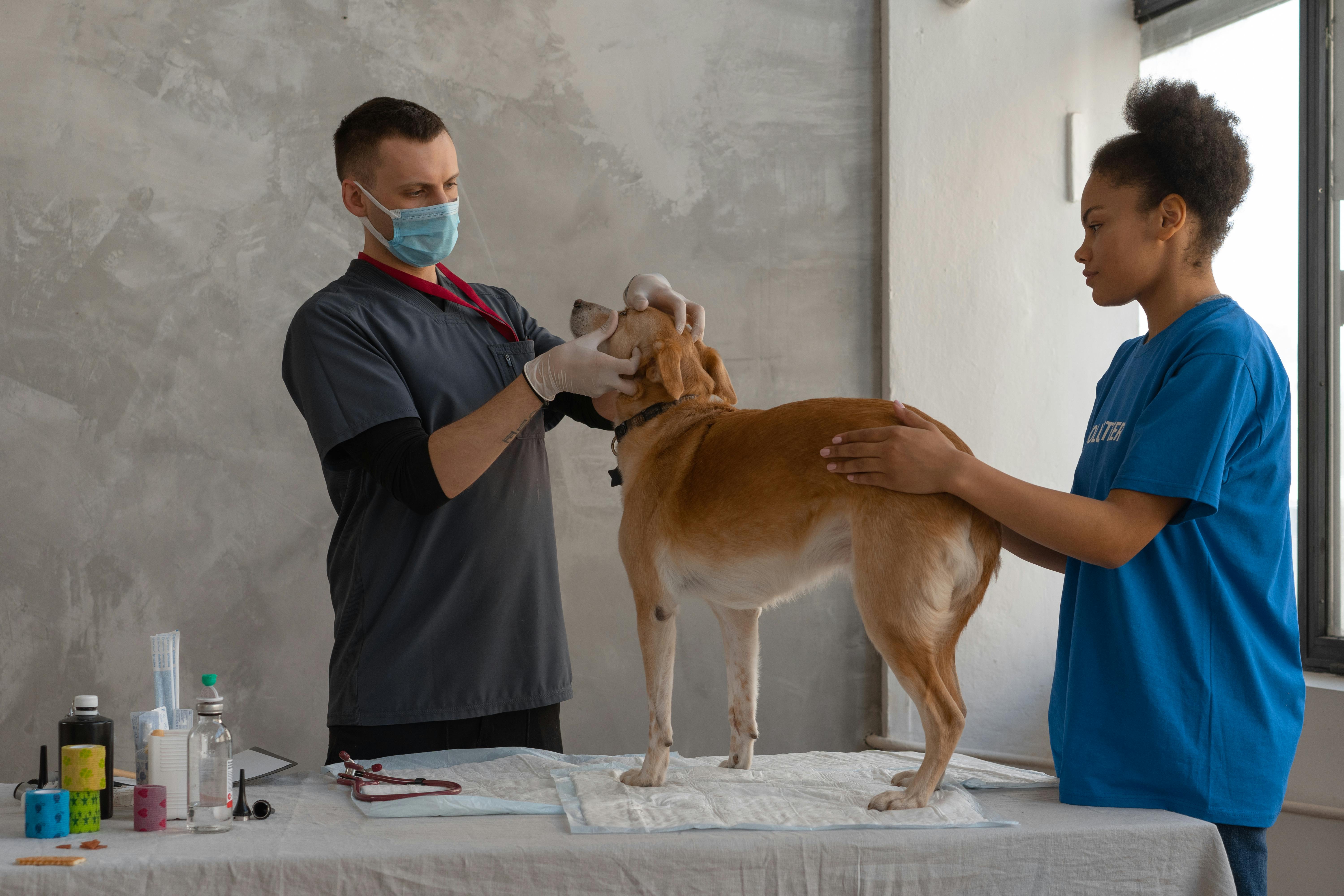
If you suspect your pet may have been exposed to heartworm, or if it has been more than a year since their last test, the first step is to schedule a heartworm test with your veterinary team. At Five Mile Animal Hospital, we provide thorough heartworm testing using advanced diagnostics to ensure early detection and the best possible outcome for your pet. Testing typically involves a simple blood sample that checks for heartworm proteins or microfilariae (immature worms) in your pet’s system.
When a pet tests positive for heartworm, treatment varies depending on their species and the stage of the disease. Dogs may require a series of injections to kill adult worms, along with supportive medications to manage inflammation and prevent complications. Hospitalization and careful monitoring are often necessary, as treatment can be hard on your pet’s body. For cats, treatment is more challenging, since there is no approved medication to eliminate heartworms in felines. Instead, supportive care focuses on managing symptoms and inflammation until the infection resolves or stabilizes. Because heartworm treatment can be complex, costly, and risky, prevention remains the safest and most effective approach.
Preventing Heartworm Disease: What Pet Owners in Redford Can Do
The most reliable way to protect your dog or cat from heartworm is to use a veterinarian-recommended preventive medication. These medications come in several forms, including monthly chewable tablets, topical solutions, or injections. Your veterinarian will help you choose the option that best fits your pet’s needs and lifestyle. Starting preventive treatment in April sets your pet up for a safer spring and summer, as this is when mosquitoes become more active in our region.
Prevention steps include ensuring your pet undergoes annual heartworm testing before starting or continuing a preventive medication—this protects your pet and helps avoid complications from undetected infections. Keeping your yard free of standing water, trimming tall grass, and using screens in windows can also reduce mosquito exposure. Remember, even indoor pets can be at risk, so prevention is recommended for both dogs and cats.
Consistent use of heartworm preventives is crucial. Missing doses or lapses in protection can leave your pet vulnerable. If you forget a dose or are unsure when to restart medication, call your veterinarian for guidance. At Five Mile Animal Hospital, we can help you set up reminders, provide medication refills, and answer any questions about the best ways to keep your pet safe.
When to Call Your Veterinarian: Acting Quickly Saves Lives
Early detection is essential when it comes to heartworm disease. If you observe symptoms such as a persistent cough, unexplained weight loss, exercise intolerance, or breathing difficulties in your dog or cat, do not wait—schedule an appointment with your veterinarian as soon as possible. Even if your pet appears healthy, annual heartworm testing is recommended for all dogs and for cats who go outdoors or are at risk. This is especially important after the winter thaw, when mosquitoes begin to multiply in Redford Township and surrounding communities.
April is the ideal time to ensure your pet is up to date with annual tests and to begin or continue heartworm prevention. If you have adopted a new pet, missed doses over the winter, or are unsure about your pet’s history, reach out to our veterinary professionals for personalized advice. Your pet’s health and comfort are our top priorities, and we are here to support you every step of the way.
Protect Your Pet This Spring: Schedule Heartworm Prevention at Five Mile Animal Hospital
Heartworm disease is a serious but entirely preventable threat to pets in Redford Township. By staying informed, keeping up with annual heartworm testing, and using effective preventives, you can ensure your dog or cat enjoys a healthy, active spring and summer. Our team of veterinarians at Five Mile Animal Hospital is passionate about providing comprehensive care, from wellness exams to expert advice on parasite prevention.
If you are searching for a veterinarian near me or need guidance on starting heartworm prevention, we invite you to contact our veterinary team today. Schedule an appointment at 25920 Five Mile Road, Redford Township, MI 48239, or call us at (313) 532-4440 for friendly, expert support. Let us help you keep your pet heartworm-free and thriving this April and beyond.
Medical Disclaimer: The information in this blog is for educational purposes only and does not replace professional veterinary advice. Always consult your veterinarian for specific guidance regarding your pet’s health or if you notice any concerning symptoms. For more information about heartworm disease, visit the American Heartworm Society or reach out to our team for personalized care.